
40% of qualified costs
$50,000 or more
Rehabilitations of $50,000 or more in cities over 50,000 people earn 40%. Cities, townships and unincorporated areas of 50,000 or under earn 40% at any qualifying size. Nonprofit-owned structures also earn 40%.
Kansas historic tax credits · 40% state · 20% federal · no cap
Most owners still think the Kansas credit is what it was in 2024. It is not. Since April 2025 qualifying commercial rehabilitations earn 40% of qualified costs — in the big cities and the small towns alike — with no statewide cap and no allocation round to wait for.
In April 2025 Kansas restructured its historic rehabilitation credit, and most owners still have not caught up. For qualifying commercial rehabilitations the state now pays 40% of qualified expenditures — in Wichita and Topeka the same as in a town of four thousand. Stacked with the 20% federal credit, that is 60% of qualified costs, with no statewide cap to wait in line for.
$50,000 or more
Rehabilitations of $50,000 or more in cities over 50,000 people earn 40%. Cities, townships and unincorporated areas of 50,000 or under earn 40% at any qualifying size. Nonprofit-owned structures also earn 40%.
No allocation round
Most state programs cap annual credits and make projects compete for an allocation. Kansas does not. If the building and the work qualify, the credit is there — which removes the single biggest timing risk from your capital stack.
Scale does not penalise you
A $40MM rehabilitation earns the same percentage as a $400,000 one. Several states quietly cap the credit per project, which is how a large deal discovers late that the stack it underwrote does not exist.
Ten-year carryforward
The credit can be sold, so you do not need Kansas tax appetite to monetise it, and unused credit carries forward ten years. For an out-of-state owner or a fund, this is the difference between a usable credit and a theoretical one.
40%
The federal credit effectively excludes nonprofit owners. Kansas does not. For a church, a school, a foundation or a community development corporation holding a historic building, this is frequently the whole deal.
The Standards
Listed on the National Register, contributing to a listed district, or eligible — and the work has to meet the Secretary of the Interior's Standards. If designation is missing, that is a step we handle, not a reason to stop.
Kansas · preliminary estimate
Rough arithmetic, not an opinion. Qualified rehabilitation expenditure excludes acquisition, site work and furnishings, and the 40% Kansas tier applies to qualifying commercial rehabilitations of $50,000 or more. Credits are also sold at a discount, so cash proceeds land below face. Send us the address and we will run the real number against the real building.
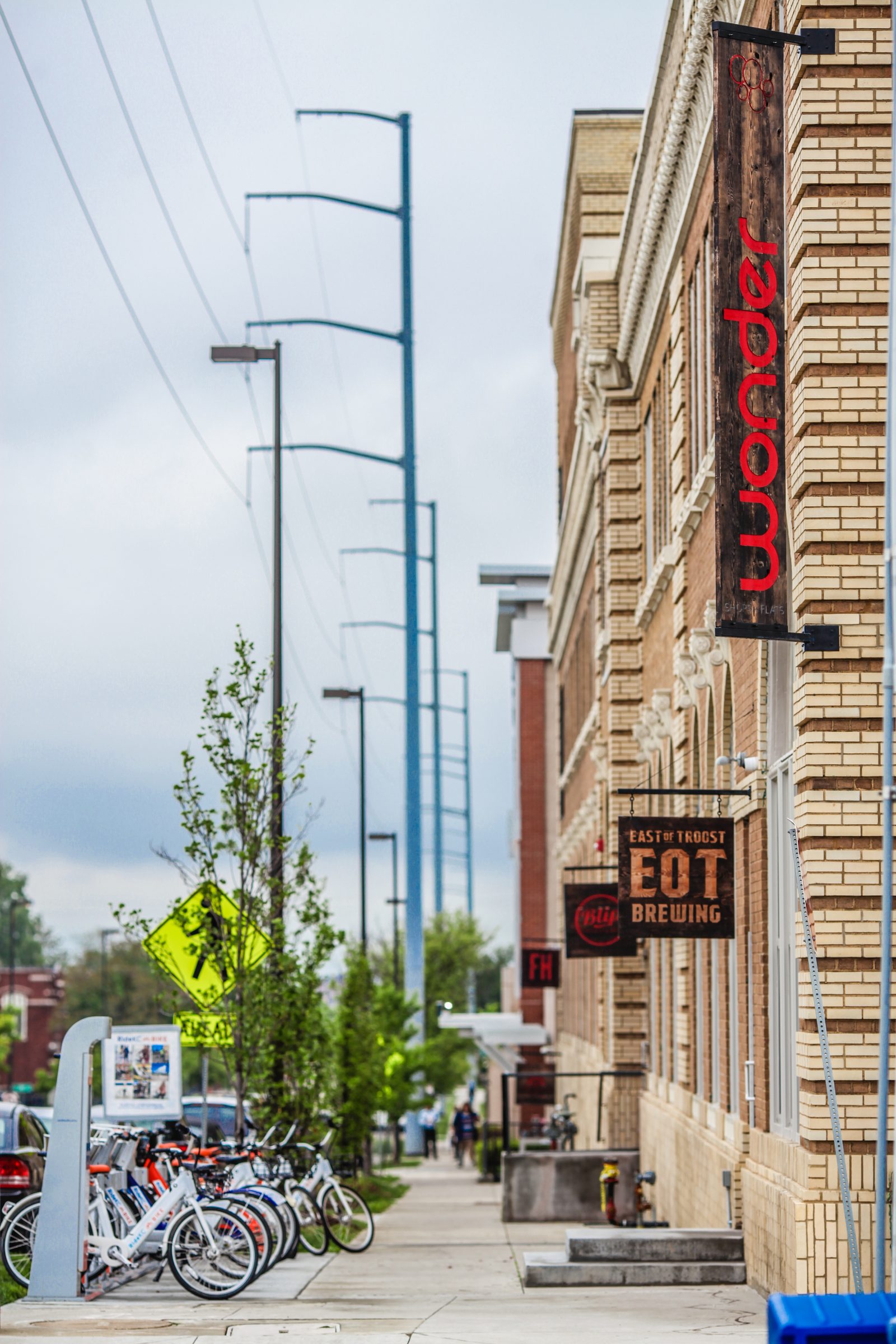
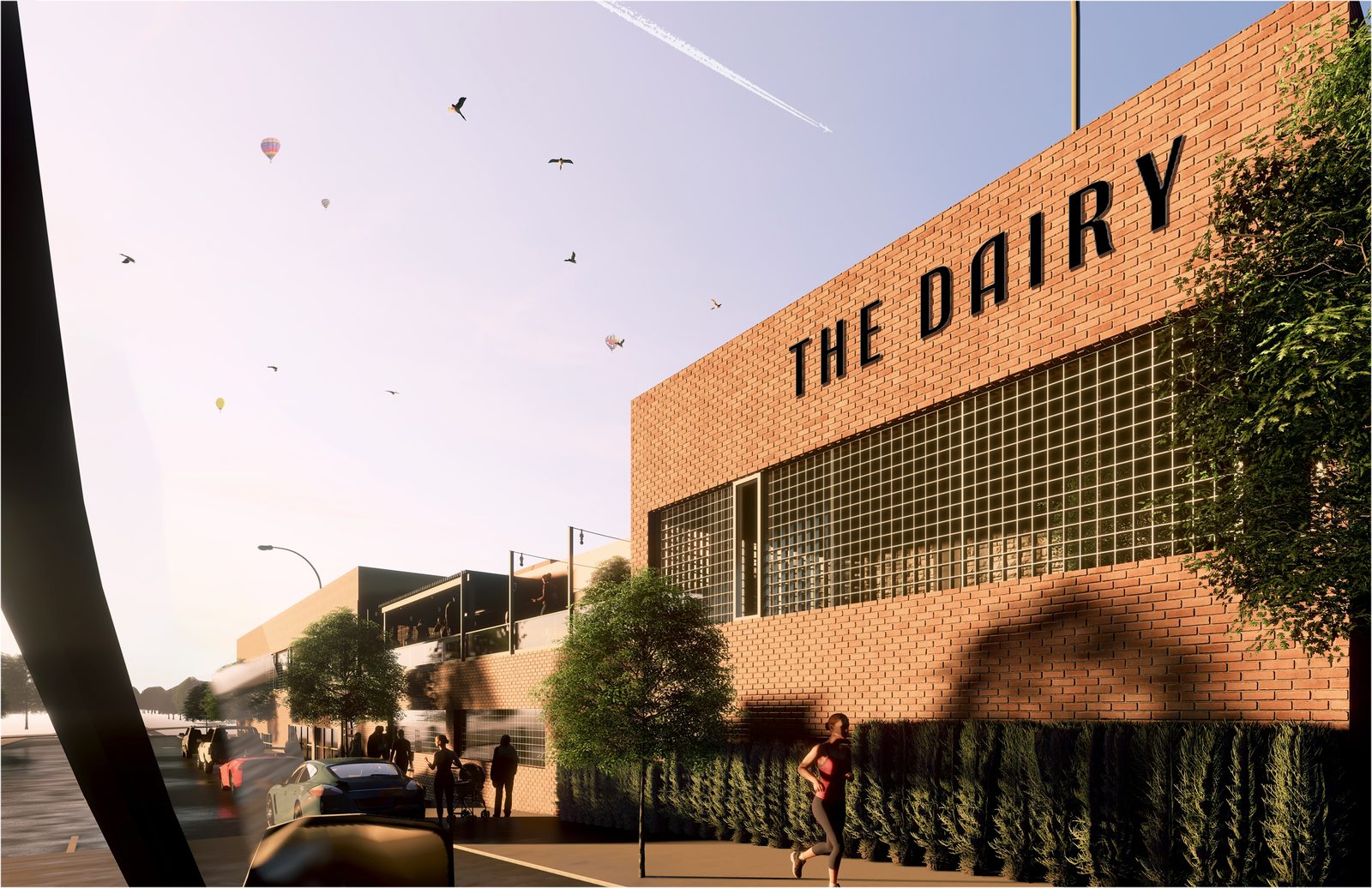
Sixty percent of qualified costs is a large number and still not a capital stack. These are the layers that usually sit underneath it on a Kansas deal.
30% basis step-up
Opportunity Zone rules now carry a rural fund class with triple the standard step-up, and the rural substantial improvement test dropped from 100% of basis to 50%. On a small-town Kansas rehabilitation that change is what lets a proportionate scope qualify without overbuilding it to hit a number.
Mixed-use only
Strong on larger commercial work. The operating entity cannot draw 80% or more of its income from residential rental, so a straight apartment conversion will not qualify — commercial square footage is what makes it eligible.
Where rents are restricted
Federal housing credits twin with historic where the building and the rent structure both allow it. Kansas narrowed its own state housing credit, so we structure these deals on the federal program and the 40% historic credit rather than assuming both.
Abatement · IRB · CID
Abatement, industrial revenue bonds and community improvement districts are negotiated city by city. Individually modest, and often the last few points that make a deal close.
The 40% tier applies statewide, which makes small-city Kansas unusually attractive right now — the buildings are cheap, the credit is deep, and almost nobody is competing for them.
Over 50,000
Qualifying commercial rehabilitations of $50,000 or more earn 40%. Downtown office stock, warehouses and early-century commercial blocks.
Mid-size
Intact main streets, a real rental market, and buildings trading well below replacement cost.
Under 50,000
40% at any qualifying size. This is where the arithmetic gets genuinely unusual.
Send the address of a Kansas building. No cost, no obligation, no pitch deck.
We walk it, and inside two weeks you get what it wants to be, what that runs, and which credits it earns. If it doesn’t pencil, we say so — that answer is worth the two weeks by itself.
EXACT Architects
3901 Main Street, Suite 201
Kansas City, Missouri 64111
816.200.0340
office@exactarchitects.com