Kansas City · Missouri · Kansas · Iowa · Oklahoma · Texas · Colorado

Historic tax
credit architects

Most firms can draw a historic rehabilitation. Fewer can tell you what it earns, in which state, in what order the applications go in, and where two incentives quietly cancel each other out. We do the drawings and the credit work in the same office, because that is where projects are won or lost.

A-1.0

One firm writes
the drawings and
the application

The usual arrangement puts a preservation consultant on the Part 2 narrative and an architect on the construction documents, and the two never read each other's work. Reviewers notice. We do both, so the story the application tells is the building we are actually drawing.

The federal credit

20% of qualified costs

Twenty percent of qualified rehabilitation expenditures on a certified historic structure, taken over five years. We prepare Part 1, Part 2 and Part 3 in-house and sequence them against your closing, not after it.

Missouri

25% · transferable

Twenty-five percent, sellable, with a three-year carryback and a ten-year carryforward. Most of our finished portfolio is here. We know the reviewers by name and the review calendar by heart.

Kansas

40% · no cap

Forty percent of qualified costs on most commercial rehabilitations, in large cities and small towns alike, with no statewide cap and no waiting list. With the federal credit that is 60% of qualified costs.

Designation first, if needed

National Register · Section 106

If the building is not listed or contributing yet, that is a step we handle rather than a reason to stop. Nominations, district contributions, and Section 106 review where federal money is in the stack.

Stacking the rest

NMTC · OZ · LIHTC · PACE · TIF

Historic credits rarely close a deal alone. We structure them alongside New Markets, Opportunity Zone equity, housing credits, PACE and abatement — and tell you which layer to drop when two of them fight.

Recapture and compliance

Five years

Credits recapture if the building leaves service inside five years. That is a documentation and operations problem, and it happens when the architect left at substantial completion. We stay on.

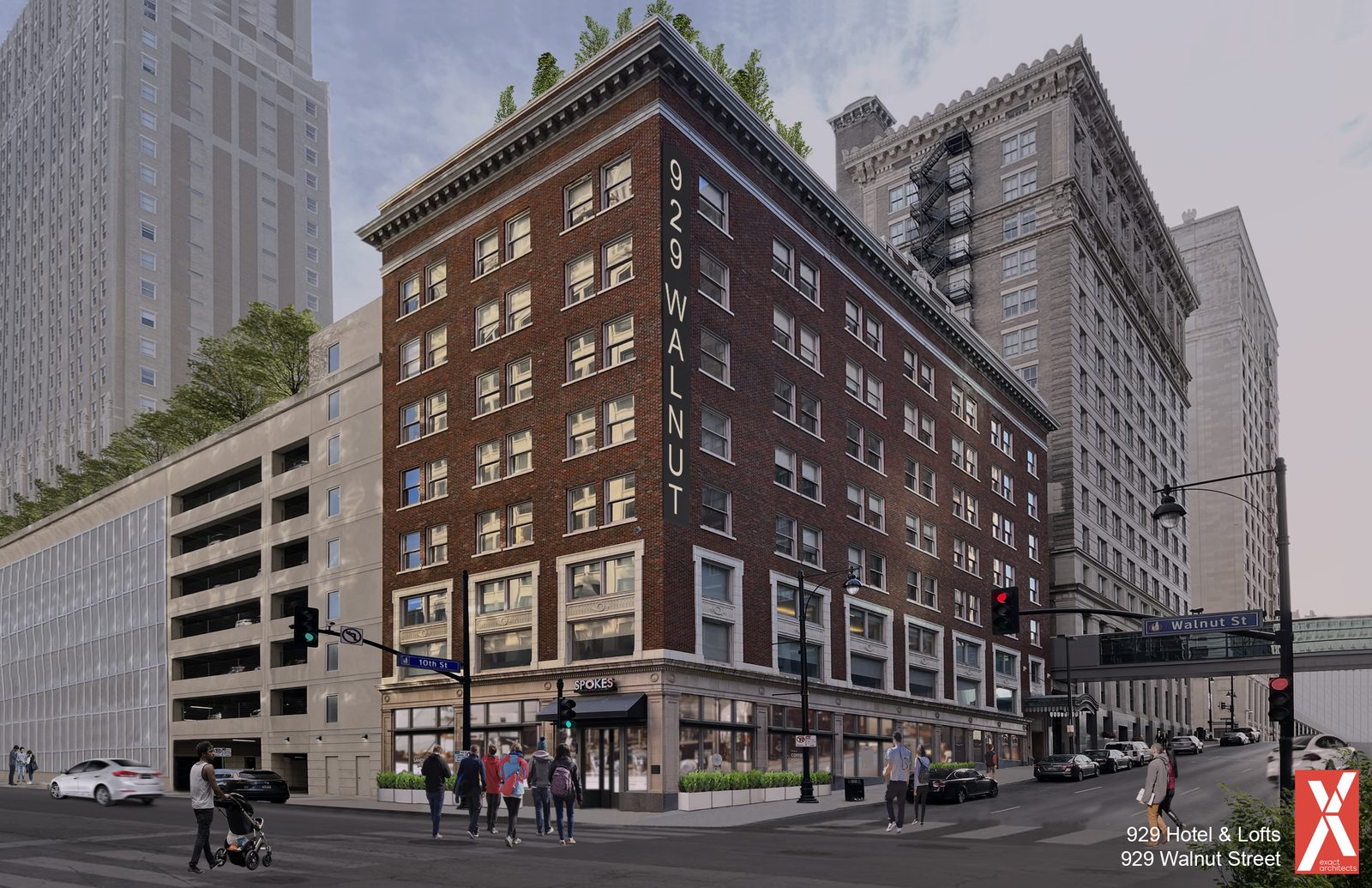
The restored 1922 facade of 929 Walnut, downtown Kansas City
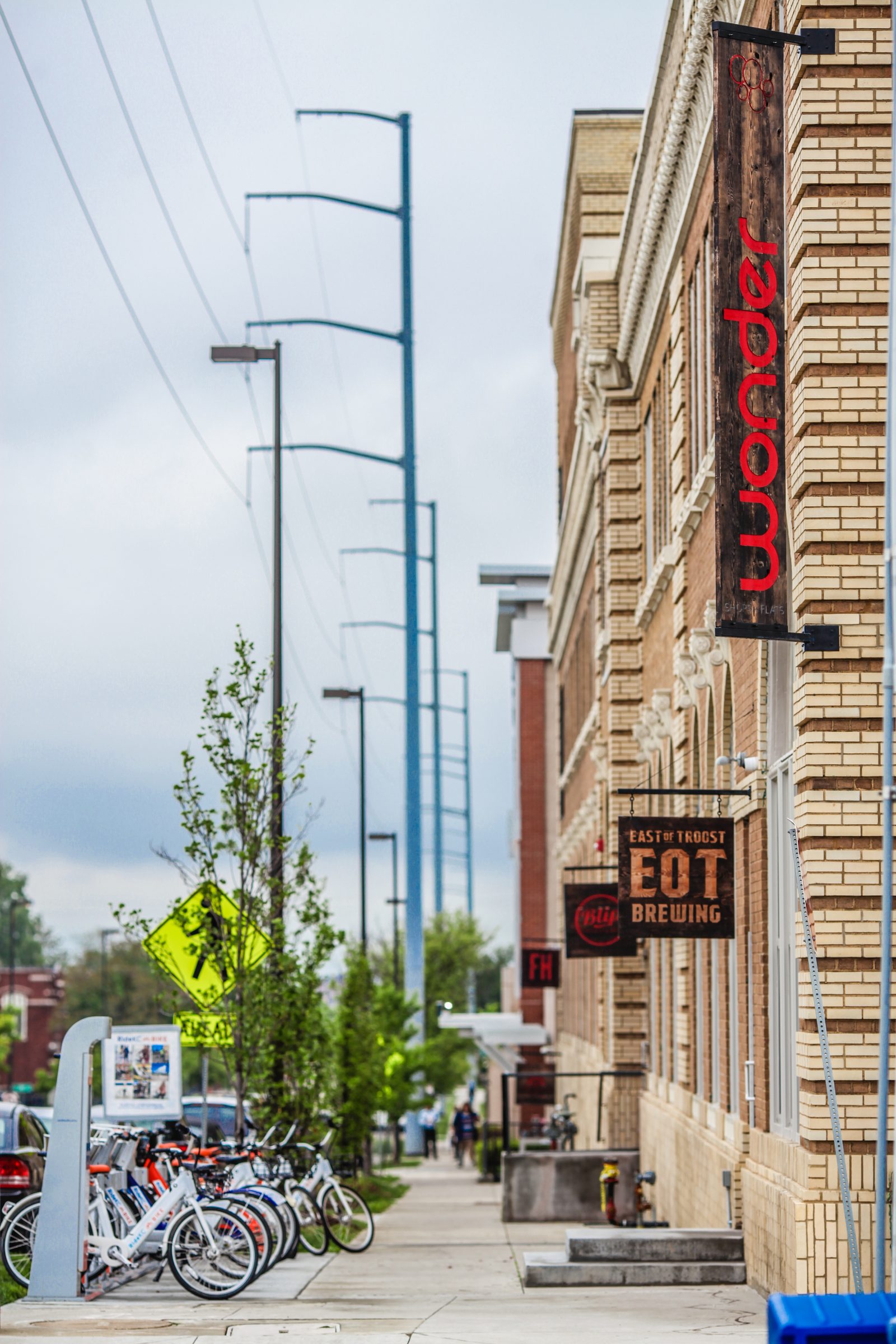
The Wonder Shops and Flats, 87 lofts above 16 commercial bays
A-2.0

Six states,
six answers

The spread between state programs is now wide enough to decide a project. We quote the real numbers rather than the national average.

Missouri

25%

Transferable, three-year carryback, plus a state housing credit that matches the federal award.

Kansas

40%

No statewide cap, no project cap, transferable, ten-year carryforward. The strongest program in the country right now.

Texas

25%

No cap of any kind, freely sellable, and unusually forgiving on the technical tests that sink marginal projects.

Oklahoma

20%

No cap, sellable, and the state application runs alongside the federal one instead of after it.

Iowa

25% refundable

Refundable, which is rare and worth real money — it converts without a tax appetite, so it prices closer to par.

Colorado

25% / 35%

Twenty-five percent, rising to 35% in communities under 50,000. Nonprofits may participate.

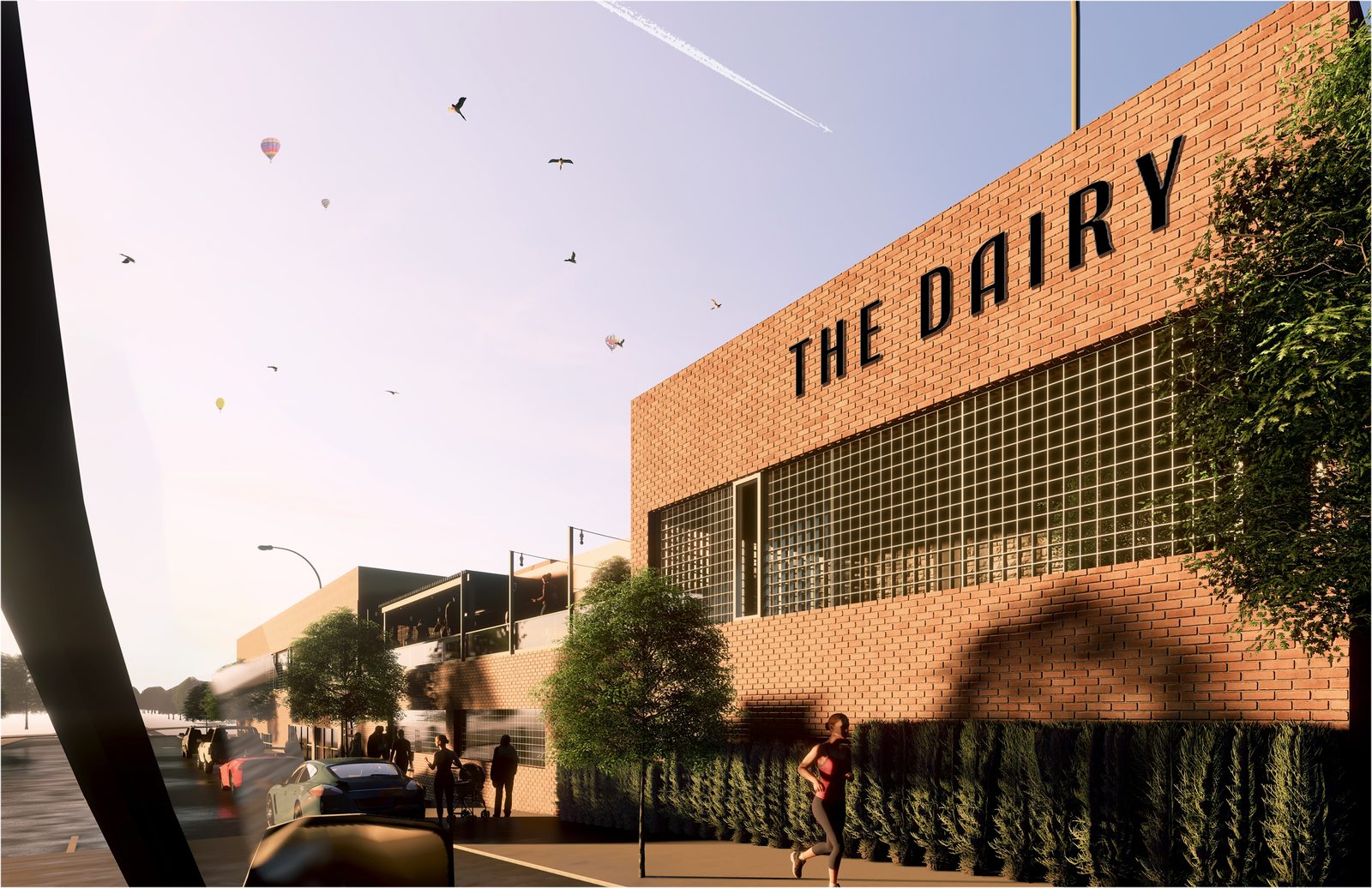
The Dairy Apartments, Best Adaptive Re-Use 2025, Kansas City
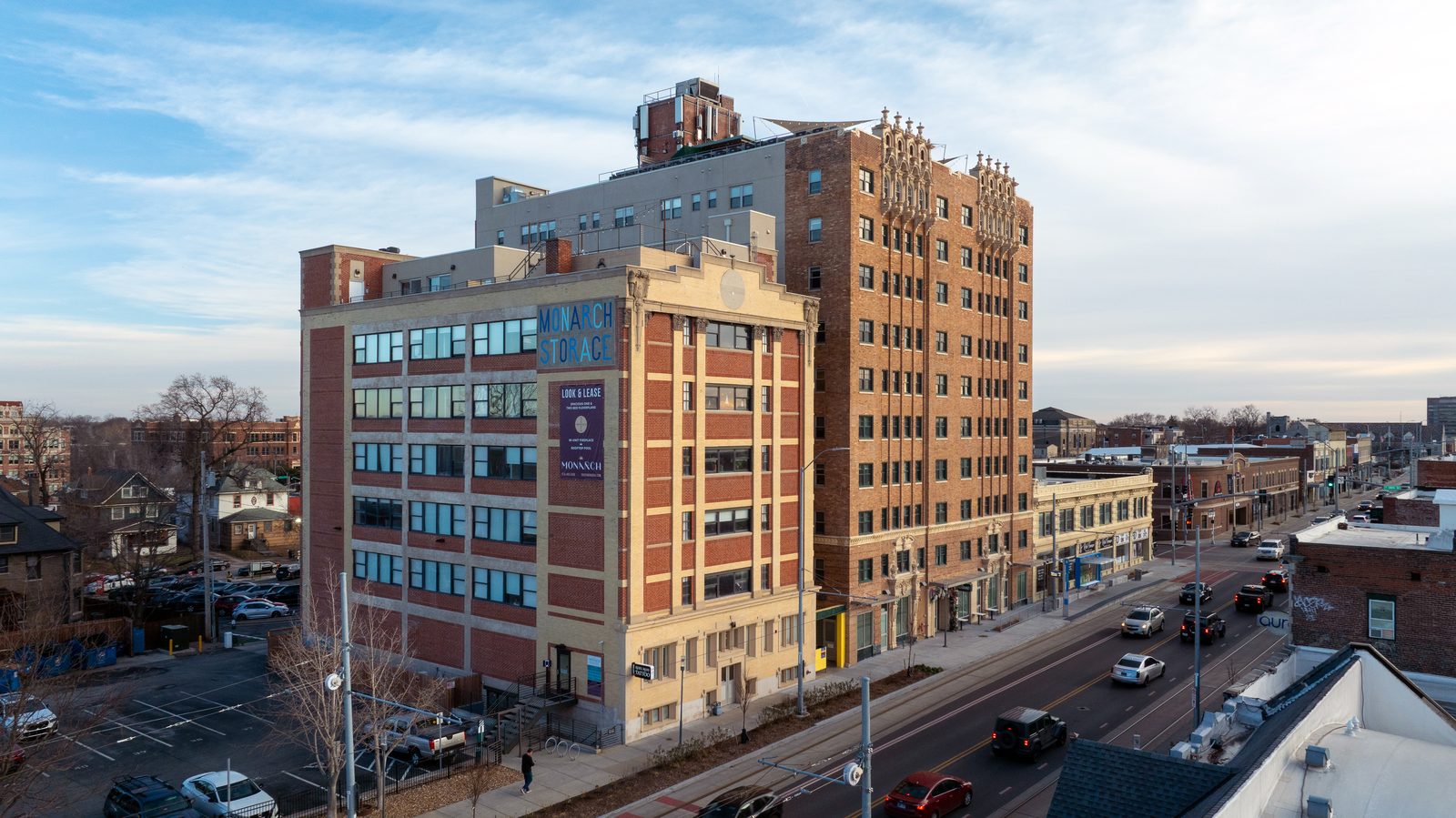
The restored Netherland, returned to service after years empty

Send us
an address

Send the address of a building you think might be historic. No cost, no obligation, no pitch deck.

We walk it, and inside two weeks you get what it wants to be, what that runs, and which credits it earns. If it doesn’t pencil, we say so — that answer is worth the two weeks by itself.

Somebody walked past
every one of these
EXACT Architects — Kansas City

EXACT Architects
3901 Main Street, Suite 201
Kansas City, Missouri 64111
816.200.0340
office@exactarchitects.com